
Skip to content

One Partner to Develop, Finance, and Deliver Your Energy Project

An integrated approach that reduces complexity and improves coordination from development through operations.

Energy projects involve many moving parts

Renewable energy and storage projects require expert coordination — especially when multiple technologies and stakeholders are involved.

Bringing these functions together early in the process helps reduce delays, improve decision-making, and create a clearer path from feasibility through execution.

One Team From Feasibility Through Long-Term Operations

Site assessment & feasibility

Evaluate your facility, energy usage, and system viability before any commitments are made.

01
02

Financing, structuring & approval

Match the financing structure with goals — presenting every option available for your situation.

Engineering & system design

In-house engineers design the system for performance, durability, and constructability.

03
04

Permitting & utility interconnection

Coordinate all approvals and utility requirements, one of the most time-consuming parts of any renewable energy development project.

Construction & installation

Executed safely by NABCEP-certified teams, with no subcontracted handoffs and no loss of accountability mid-construction.

05
06

Commissioning & testing

Comprehensive testing to confirm the system is operating to spec before handover.

Operations & maintenance (O&M)

Long-term monitoring and maintenance can be performed by the same team that built it and knows it best— keeping your system performing for decades.

07

Built for organizations that need certainty

Facility Owners & Operators

Need reliable, disruption-free implementation without managing complex construction.

CFOs-and-Financial-Leaders

CFOs & Financial Leaders

Focused on ROI, capital planning, and selecting the financing structure that fits their balance sheet.

Develop_finance

REITs, Developers & Asset Owners

Seeking predictable execution and a partner accountable for cost and schedule throughout.
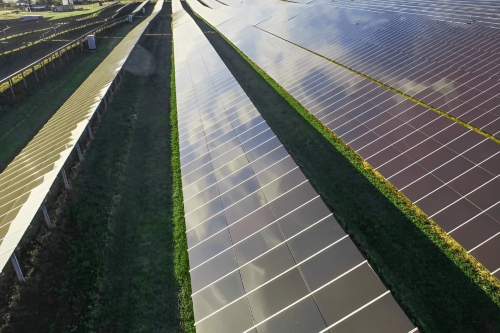
project-financing-services-pfister-energy-2

Flexible energy financing aligned to your goals

Financing structures should align with your organization’s capital strategy, operational priorities, and long-term energy goals. We help evaluate the right approach based on ownership preference, risk tolerance, and desired outcomes.

No up front investment Icon

No upfront investment

Immediate energy cost savings with no capital outlay or balance sheet impact. You pay for energy or service, not infrastructure—ideal for organizations where budget certainty matters as much as returns.

Power Purchase Agreement (PPA)
Pay only for the energy your system produces —most commonly from onsite solar—at a rate below your current utility cost. No ownership or maintenance responsibility, with immediate savings.

Lease
Fixed, predictable monthly payments with no capital outlay. Straightforward to budget, no ownership complexity.

Full ownership full upside Icon

Full ownership, full upside

Own your energy infrastructure and capture the full economic value— including tax incentives, depreciation, and savings. Designed for organisations with the capital or financing capacity to maximise lifetime ROI.

Direct purchase
Full ownership, maximum ROI, and access to all available federal and state tax incentives from day one.


Loans & structured financing
Own the system with structured payments that can be offset by energy savings — maintaining liquidity while building an asset.

PACE financing
Long-term, property-assessed financing tied to your tax bill. Preserves operating cash flow while achieving ownership.

Tax equity partnerships
Models that monetize federal tax credits for organizations that can’t use them directly — commonly used by nonprofits, municipalities, and institutions

Energy Service Agreement (ESA) Icon

Energy Service Agreement (ESA)

A fully managed energy model where we design, own, and operate the system and deliver defined outcomes—such as cost savings, demand reduction, or resilience. You pay for results, not infrastructure.

Operational and Financial Outcomes

Cost Reduction
30–50% average reduction in energy costs.
Predictability
Lock in energy rates and hedge against future utility price increases.
Increased Asset Value
Onsite renewable energy strengthens property value and tenant appeal.
ESG Progress
Meet sustainability commitments with measurable, verifiable clean energy output.

Exploring an energy project?

We’ll help you assess your options, structure the project, and move forward with clarity and confidence.
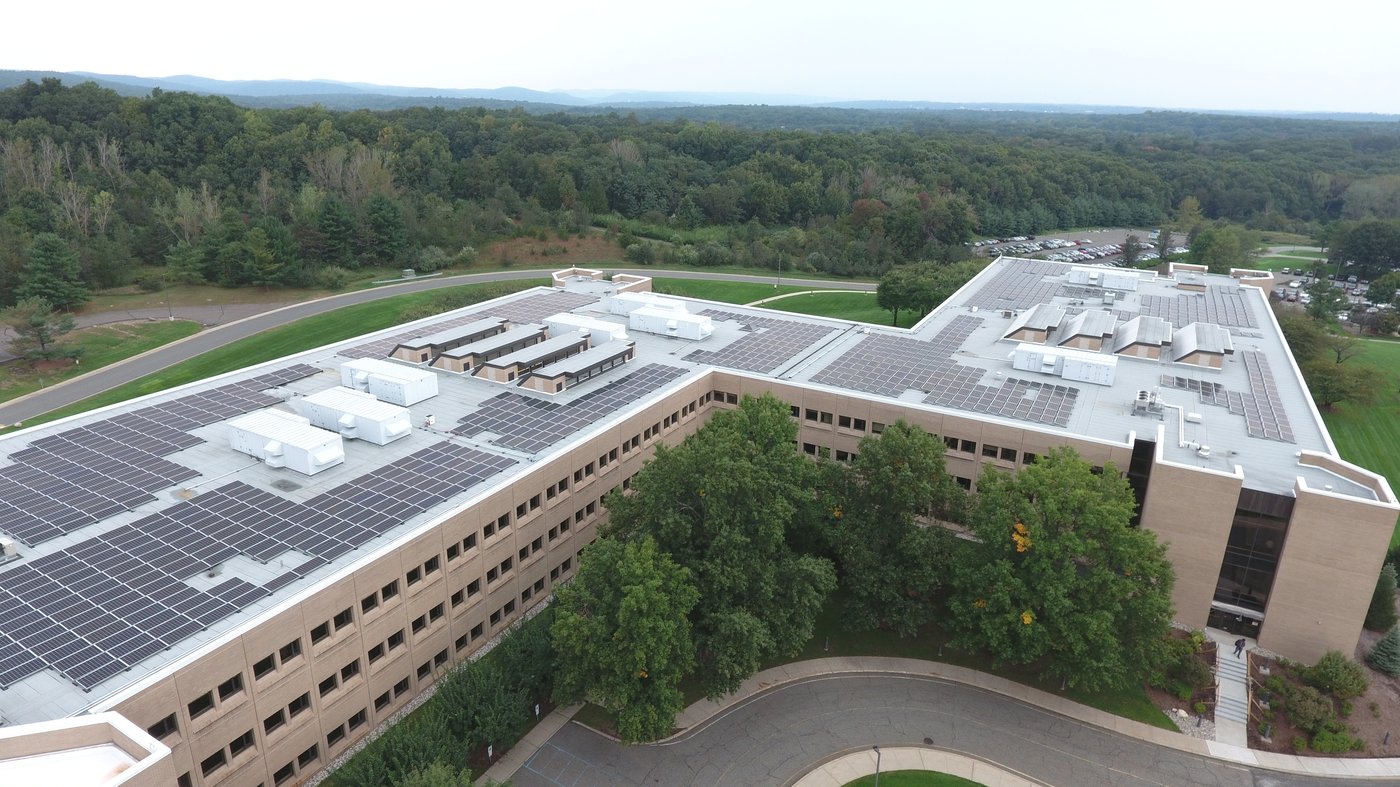
Exploring an energy project?
Let's Discuss Your Project

Ready for engineering & construction?

If it’s permitted and ready to build, we provide EPC services with reliable execution and cost control.
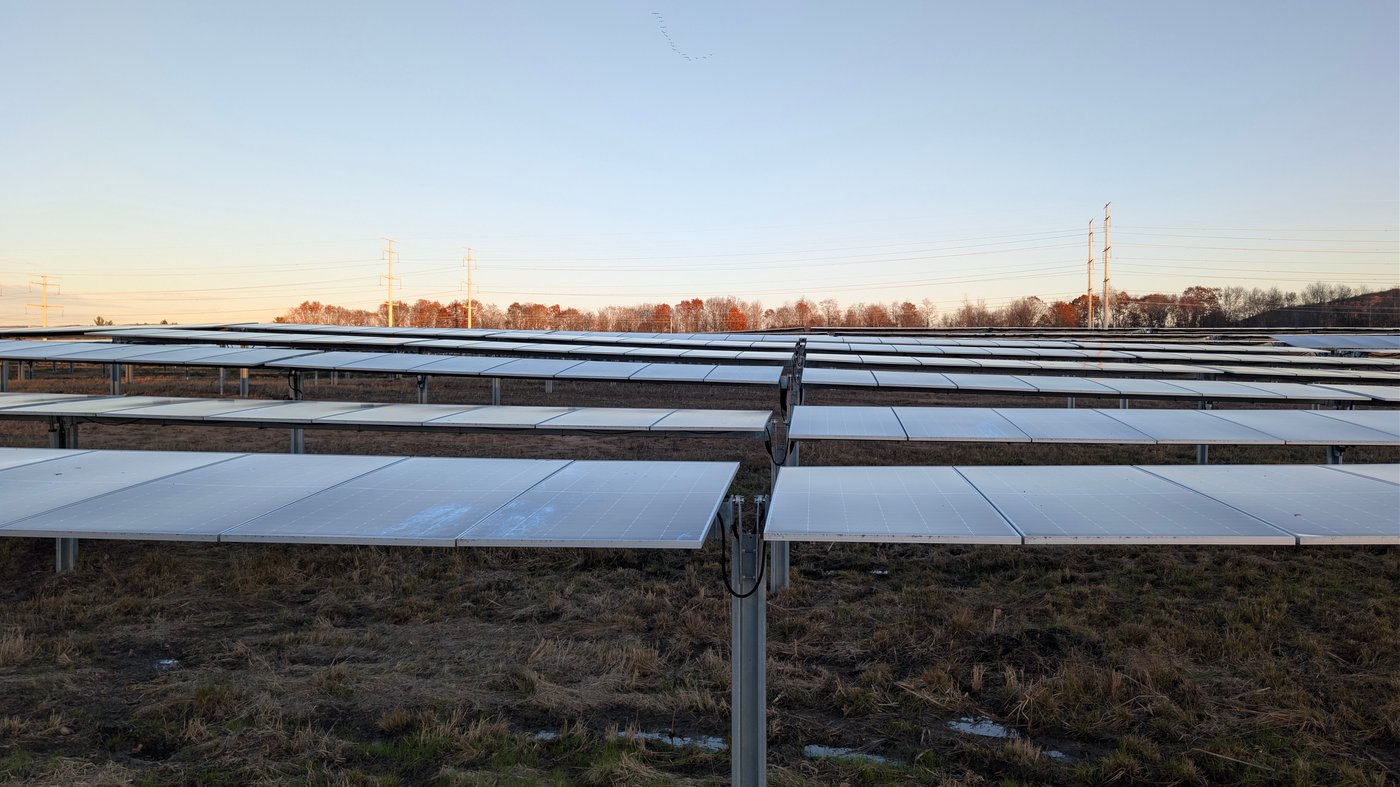

Ready for engineering & construction?

Trusted by companies across the country

FAQs to finance & develop your energy project

A PPA is based on energy production — you pay for each kWh the system generates, most commonly from solar. ESA is broader, covering overall system performance and outcomes such as cost savings, demand reduction, and operational reliability. EaaS is often used for more complex systems that include storage or multiple technologies.

Minimal day-to-day involvement. The process is managed end-to-end — your team is involved at key decision points like financing selection and design approvals, but coordination, permitting, and construction are handled throughout.

Financial outcomes depend on your energy usage, utility rates, available incentives, and the financing structure you choose. System design, project scale, and integrating technologies like battery storage can also improve returns by capturing additional value streams.

For PPA, lease, and EaaS agreements, performance and maintenance are included as part of the agreement. For owned systems, O&M agreements keep the system performing to spec without requiring an in-house energy team.

At the end of a PPA or EaaS agreement, you typically have options to extend the contract, purchase the system, or have it removed. The best path depends on system performance and your energy and economic goals.

Yes. Projects are built with future expansion in mind — whether that means adding storage, additional solar capacity, EV charging, or other technologies as needs evolve.